The Science of Muscle Hydration: Why Water Alone Isn’t Enough
When most people think of hydration, they think “just drink more water.”
And while water is essential, your muscles actually need something more to stay fully hydrated: electrolytes.
At The Body Mechanic, we see every day how dehydration shows up as muscle tightness, cramps, and lingering pain. Let’s dig into why water alone isn’t enough—and what your muscles are really craving.
How Muscles Use Water
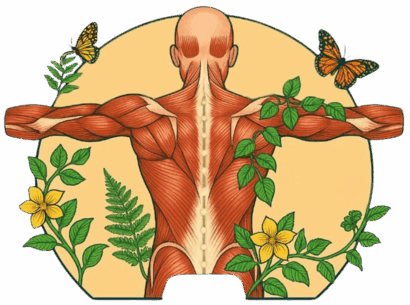
Your muscles are about 75% water, but that water isn’t just sitting there—it’s constantly moving in and out of cells to keep them working.
For that process to happen, your body relies on electrolytes like:
- Sodium & Chloride – help move water into your cells.
- Potassium – balances fluid inside your muscles.
- Magnesium & Calcium – allow muscles to contract and relax properly.
Without these minerals, your body can’t direct water to where it’s needed most. That’s why you can drink glass after glass of water and still feel tight, achy, or fatigued.
Signs Your Muscles Are Dehydrated (Even If You’re Drinking Water)
- Frequent muscle cramps or spasms
- Stiffness that returns quickly after stretching
- Fatigue during simple activities
- Headaches or dizziness after sweating
- Dry mouth and dry muscles (they feel tight and less flexible)
These aren’t just signs of thirst—they’re signs that your muscles are short on electrolytes.
Why Water Alone Falls Short
Think of your body like a car:
- Water is the coolant.
- Electrolytes are the wiring and spark plugs that keep things running.
Without both, the system overheats or breaks down. That’s why athletes, older adults, and even people sitting at a desk all day benefit from electrolyte support. Muscles don’t just need water—they need balance.
Practical Ways to Hydrate Muscles
- Add electrolytes daily – not just when you’re sweating. (This is why we formulated TruBalance, our filler-free hydration blend. Be sure to partner with your doctor for pharmaceutical or medical issues that could be related.)
- Eat mineral-rich foods – bananas, leafy greens, nuts, and yogurt all support hydration.
- Time your hydration – sipping throughout the day works better than chugging a large amount at once.
- Balance intake with activity – more sweat or excess urination = more electrolyte loss.
Our Takeaway at The Body Mechanic
Muscle pain isn’t generally about injury. Often, it’s about fuel—and hydration is part of that fuel system. If you’re struggling with recurring tightness or cramps, don’t just reach for more water. Think about the minerals that help water do its job.
Because when your muscles are hydrated the right way, pain doesn’t stand a chance.
Want to learn more about muscle hydration and pain relief? Ask your therapist during your next visit, or try a free scoop of TruBalance when you stop by our Salem clinic.
